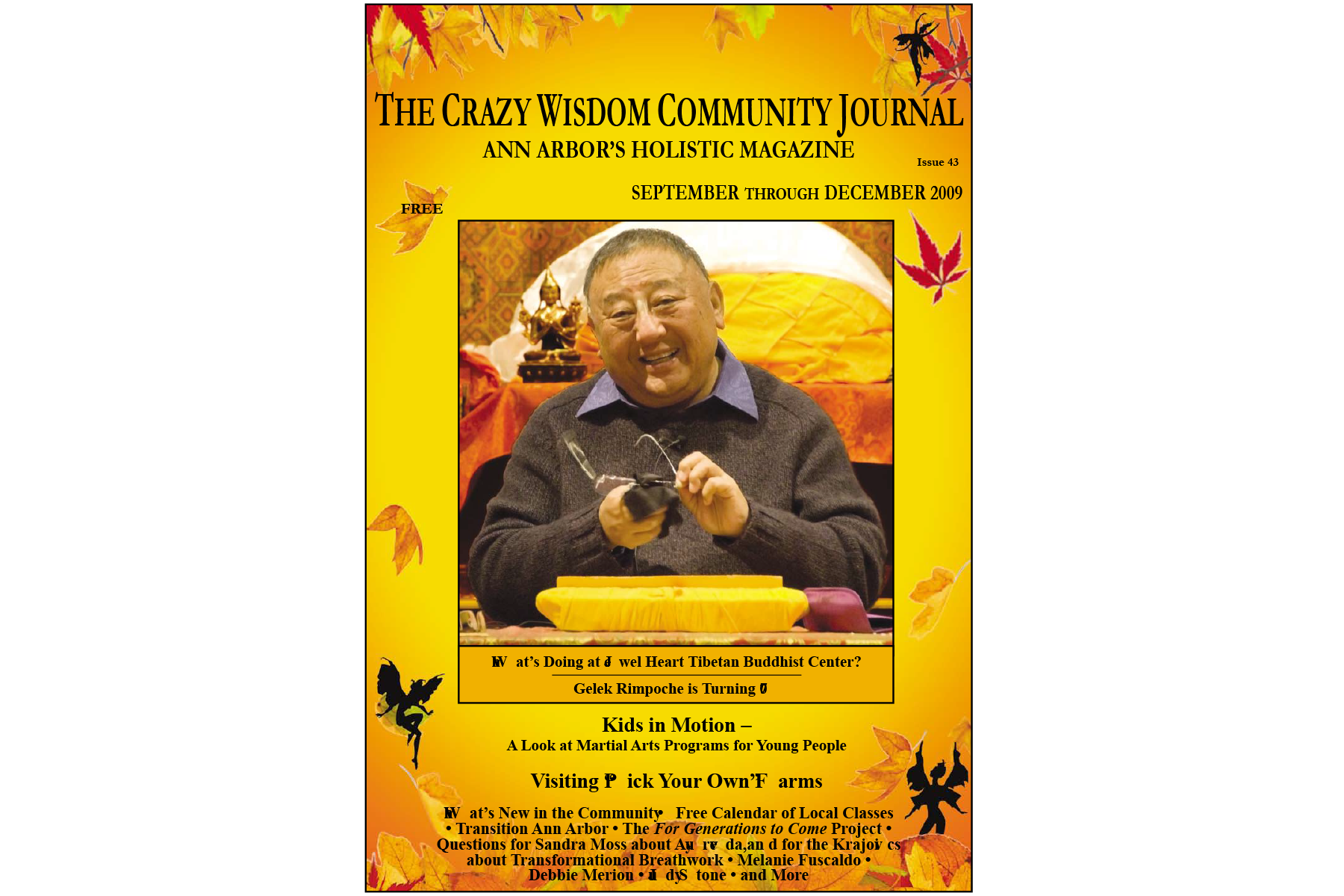
Featured Articles from Issue 56
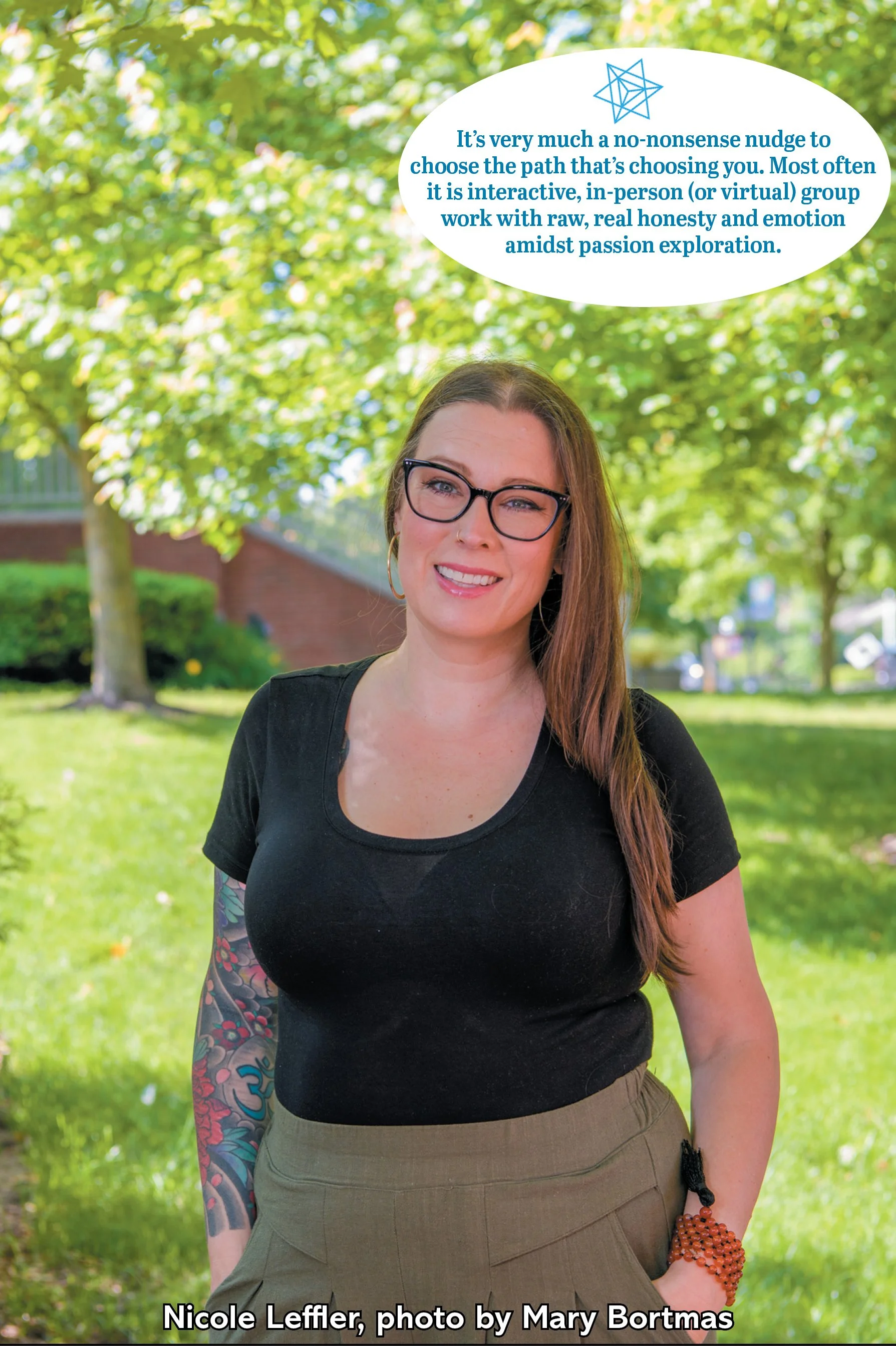
Discover Ann Arbor native Nicole Leffler's inspiring journey from retail and cannabis to founding ALCHEMY Holistic Collective in Chelsea, MI. Explore IASIS Micro Current Neurofeedback for anxiety, PTSD, and nervous system reset, plus Scar Release Therapy for postpartum and surgical scars, intuitive business consulting via Dharma Hive, and holistic wellness offerings.
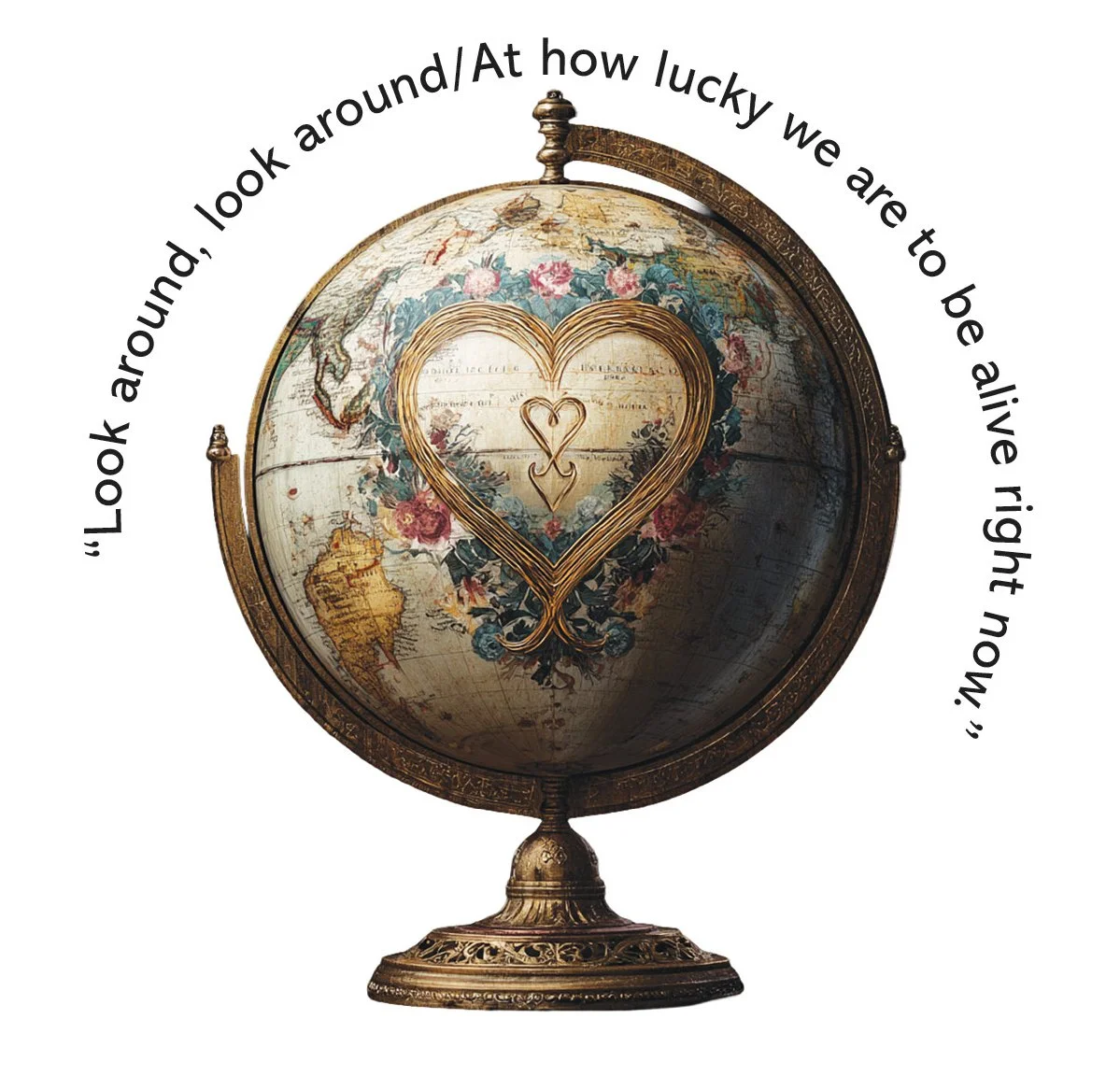
A decade after falling in love with Hamilton's "Look around, look around at how lucky we are to be alive right now," this personal reflection explores shifting from optimism to unease in turbulent times. Drawing on Eliza's line—"Look at where you are, look at where you started. The fact that you’re alive is a miracle"—and Niall Williams' This Is Happiness, it affirms our role in carrying the past into the future with gratitude and perseverance.


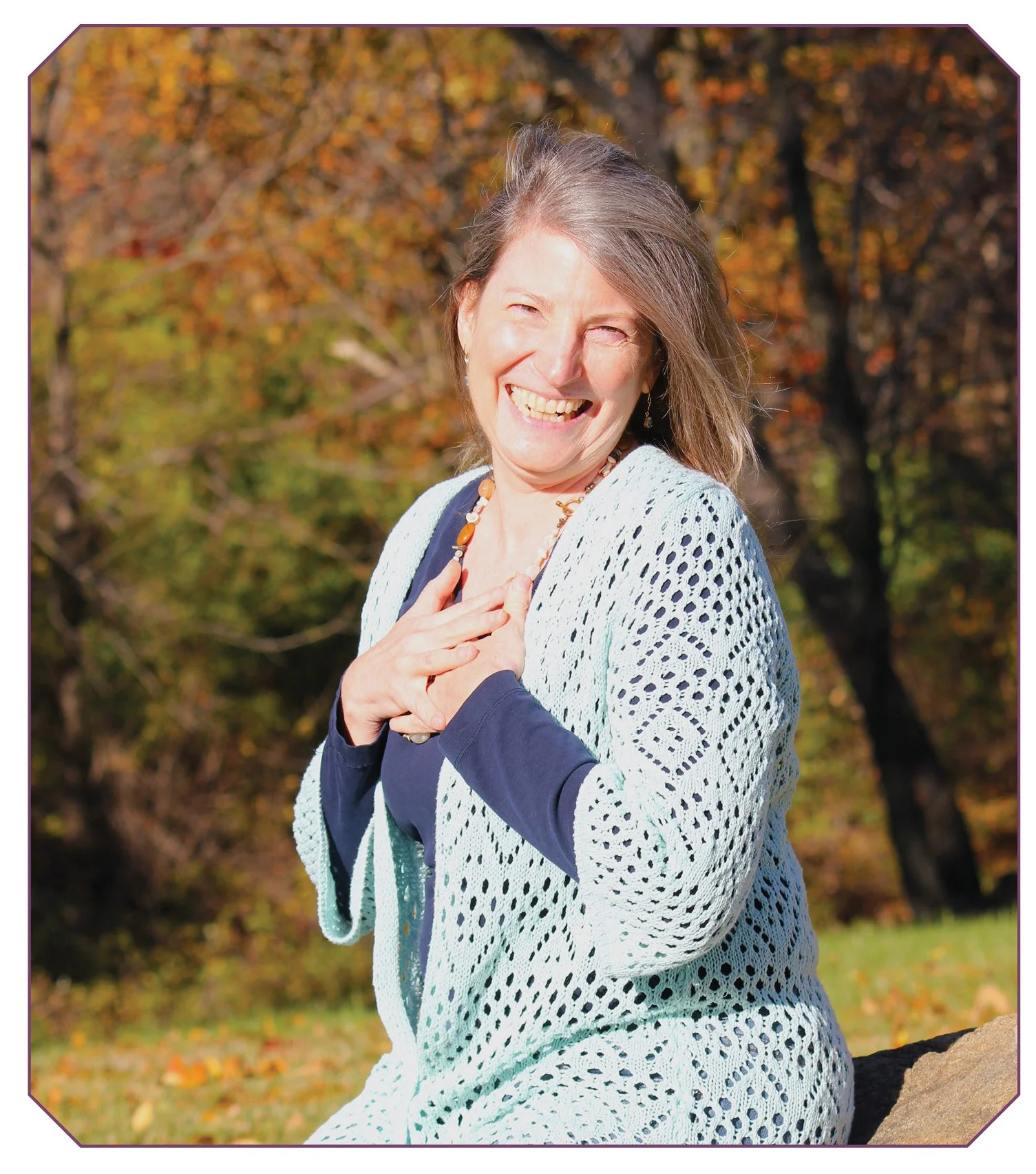
I had spent years of calculated denial, wrapping myself in a camouflage of normality, only to be exposed by this stranger living her best life. What had she seen? I knew even then what I was, but I wasn’t sure I was ready for others to know. I am the person who walks into a room and gravitates to the saddest person. I naturally lighten the mood in a crowd. I am the person who knows who is on the other end of the phone way before Caller ID became standard. I am the person who has seashells and rocks collected in bowls and antique dishes scattered around my home.



More from Issue 56
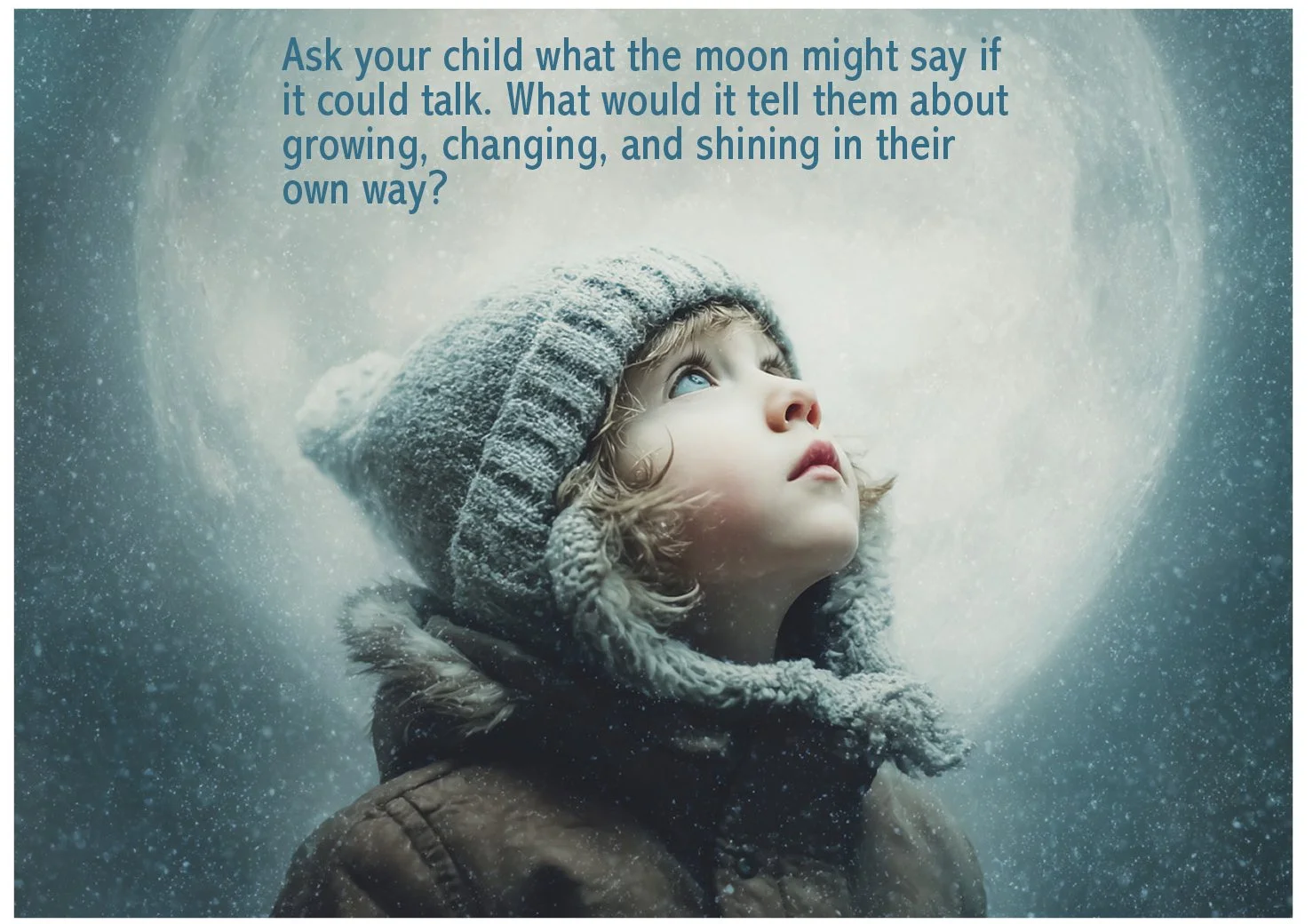
The moon has a way of catching a child’s eye. It lingers above treetops, follows the car home, disappears for a few nights, then returns—quiet, steady, familiar. For parents, it’s a reminder to pause, to notice, and to reconnect with something simple yet deeply grounding: the rhythm of nature itself.
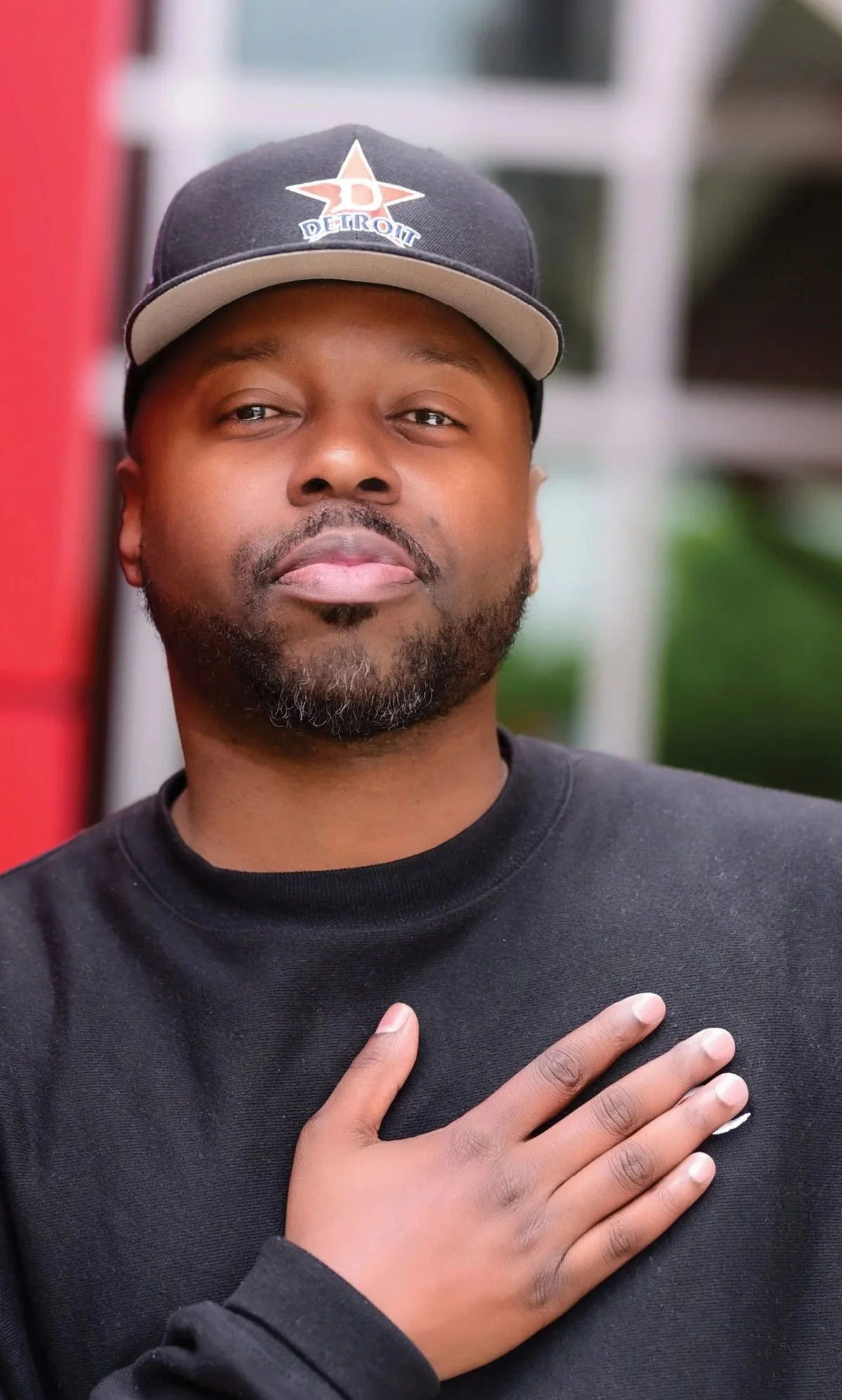
As the Director of Washtenaw My Brother’s Keeper (WMBK), Jamall Bufford makes a powerful impression of warmth and conviction. “Everyone sees his heart,” his colleague Justin Harper said. “Jamall is a great person. It is easy to work with him because he is a good listener, a team player, and completely true to his convictions. When someone has those qualities, a lot of great things can happen.”


What does normal even mean?” Jonathan Buckman asked. Buckman is not normal—he is unique and extraordinary by any measure, and that is what makes him such a great therapist, social worker, practitioner, neighbor, and friend. “Jonathan has attained master level accomplishments in so many domains, but you would never guess it if you were meeting him for the first time,” his bandmate, neighbor, and co-conspirator Jeff Gladchun told me. “You couldn’t ask for a better friend than Jonathan. He is one of a kind.”

Answers to your questions! How can I use advanced intentional living space principles to create a harmonious home, energetically balanced, and aligned with my spiritual path? What are the best practices for creating and using a vision board to manifest my highest potential and dreams? What are the best ways to protect and shield my energy field from negative entities and psychic attacks?
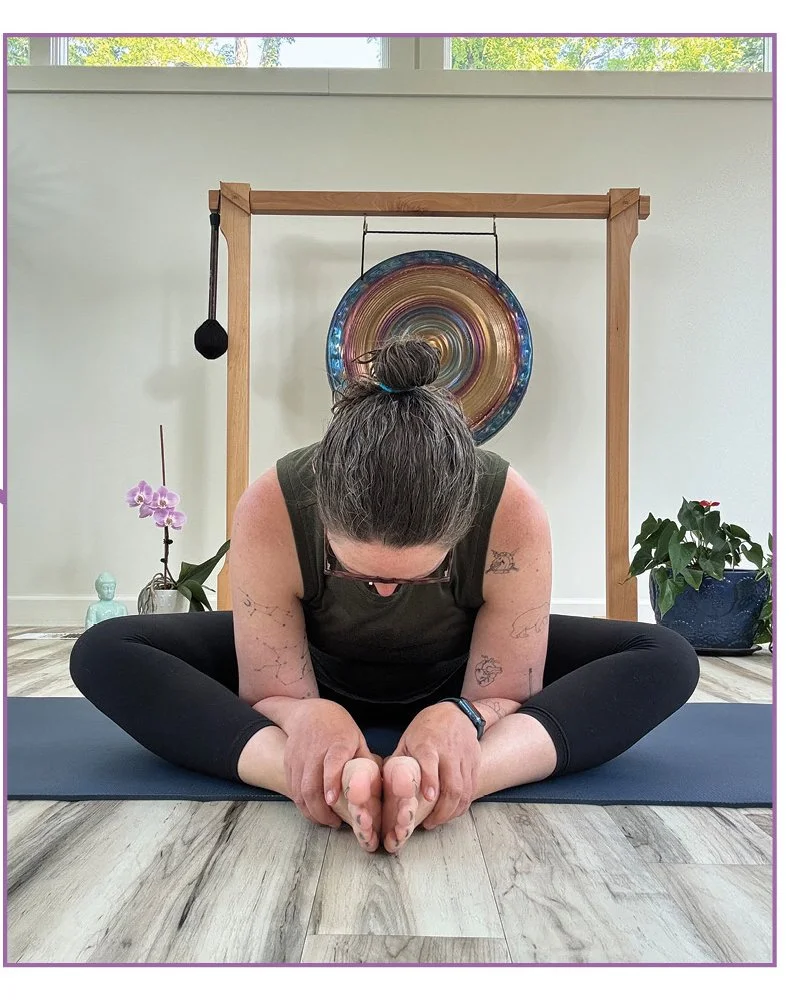
I also adore leading, or more often being led by, these foundational elements of yoga. This is That: Patanjali’s Yoga Sutras Padas 1 and 2 by Anand Mehrotra, gets right to the heart of your question when he writes “… it is very dangerous to translate it merely as “Thou shall speak the truth and only the truth.”” He goes on to explain that all of our truths are subjective, based our own experiences, and not based on any universal or unbiased truth. He extrapolates that if we are in conflict, our truth is filtered through the lens of that conflict.